Water Filtration vs HEPA Vacuums: Which Cleans Better?
-
January 28 , 2026
-
38
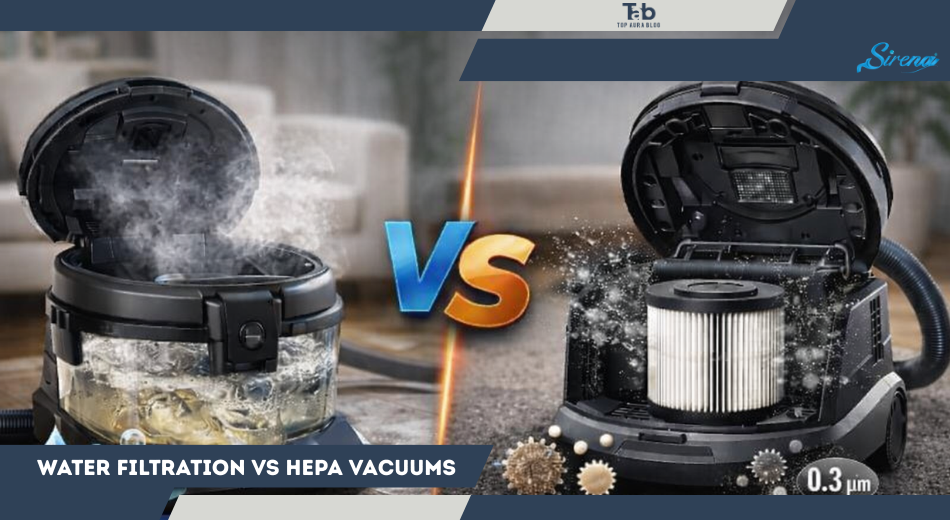
Choosing the right vacuum matters more than ever, especially for homes with allergies, pets, or fine dust issues. This guide breaks down the real differences between water filtration and HEPA vacuums, explains how each system works, and helps you decide which delivers better cleaning results for your home.
TABLE OF CONTENTS
-
Introduction
-
Why Vacuum Filtration Matters
-
What Is a HEPA Vacuum?
-
What Is a Water Filtration Vacuum?
-
Water Filtration vs HEPA Vacuum: Key Differences
-
Cleaning Performance Comparison
-
Allergy and Air Quality Comparison
-
Pet Hair and Odor Control
-
Maintenance and Long-Term Use
-
Where Sirena Fits in Water Filtration Technology
-
Which Vacuum Is Better for Your Home?
-
Common Buyer Mistakes
-
Frequently Asked Questions
-
Final Thoughts
INTRODUCTION
Not all vacuums clean the same way. While most buyers focus on suction power, the filtration system is what truly determines how clean your home becomes after vacuuming.
Two systems dominate the discussion today:
-
HEPA filtration vacuums
-
Water filtration vacuums
Both aim to trap dust, allergens, and fine particles, but they do it in very different ways. Understanding water filtration vs HEPA vacuum technology can help you make a smarter decision, especially if indoor air quality matters to you.
This guide explains how each system works, how they compare, and which one cleans better in real-world use.
WHY VACUUM FILTRATION MATTERS
Vacuum filtration affects more than just floors. Poor filtration can:
-
Release dust back into the air
-
Spread allergens
-
Trigger asthma or allergies
-
Leave lingering odors
Good filtration ensures that once dirt is picked up, it stays trapped.
Homes with:
-
Pets
-
Children
-
Allergy sufferers
-
Carpets and upholstery
benefit the most from advanced filtration systems.
WHAT IS A HEPA VACUUM?
A HEPA vacuum uses a High Efficiency Particulate Air filter designed to trap very small particles.
How HEPA Filtration Works
HEPA filters capture particles as small as:
-
0.3 microns
-
Dust mites
-
Pollen
-
Mold spores
Air passes through the filter before exiting the vacuum, theoretically keeping contaminants inside.
Benefits of HEPA Vacuums
-
Effective at trapping fine particles
-
Widely available
-
Often lighter and compact
-
Good for dry debris
Limitations of HEPA Vacuums
-
Filters clog over time
-
Reduced suction when dirty
-
Filters need replacement
-
Can leak particles if seals wear out
HEPA systems work well but rely heavily on proper maintenance.
WHAT IS A WATER FILTRATION VACUUM?
A water filtration vacuum uses water as the primary filter instead of a dry filter bag or cartridge.
How Water Filtration Works
-
Dust and debris are pulled into a water basin
-
Particles are trapped in water
-
Clean air exits the vacuum
Because dirt mixes with water, it cannot easily escape back into the air.
Benefits of Water Filtration Vacuums
-
No dust re-circulation
-
No clogged filters
-
Consistent suction
-
Captures fine particles and odors
-
Visible proof of dirt collection
Limitations
-
Requires emptying water after use
-
Slightly heavier units
-
Needs proper drying after use
WATER FILTRATION VS HEPA VACUUM: KEY DIFFERENCES
| Feature | HEPA Vacuum | Water Filtration Vacuum |
|---|---|---|
| Filtration Method | Dry filter | Water-based |
| Dust Re-Release | Possible over time | Extremely low |
| Suction Consistency | Drops as filter clogs | Remains consistent |
| Odor Control | Limited | Strong |
| Maintenance | Filter replacement | Water disposal |
| Allergy Control | Good | Excellent |
This comparison highlights where water filtration systems gain an edge.
CLEANING PERFORMANCE COMPARISON
Dust and Fine Particle Removal
HEPA vacuums trap dust effectively at first, but performance declines as filters clog.
Water filtration vacuums:
-
Trap dust immediately
-
Prevent particles from escaping
-
Maintain airflow
This gives them more consistent long-term cleaning performance.
Deep Carpet Cleaning
Water filtration systems excel at:
-
Pulling embedded dirt
-
Capturing fine debris
-
Preventing dust clouds
HEPA vacuums can perform well, but only when filters are clean.
Hard Floors and Upholstery
Both systems work well, but water filtration offers:
-
Better dust containment
-
Less airborne particle release
This is noticeable in enclosed spaces.
ALLERGY AND AIR QUALITY COMPARISON
For allergy sufferers, filtration matters more than suction.
HEPA Vacuum Considerations
-
Filters must be replaced regularly
-
Small leaks allow dust to escape
-
Dry particles can become airborne
Water Filtration Advantages
-
Dust is trapped in water instantly
-
Allergens cannot escape
-
Air leaving the vacuum is visibly cleaner
This makes water filtration a strong choice for:
-
Asthma sufferers
-
Allergy-sensitive households
-
Homes with pets
PET HAIR AND ODOR CONTROL
Pet homes need more than basic filtration.
HEPA Vacuums
-
Collect pet hair well
-
Struggle with odors
-
Hair clogs filters over time
Water Filtration Vacuums
-
Capture pet hair and dander
-
Neutralize odors
-
Reduce airborne allergens
Water systems are better at handling the full range of pet-related mess.
MAINTENANCE AND LONG-TERM USE
HEPA Vacuum Maintenance
-
Replace filters every few months
-
Clean seals and housings
-
Performance depends on upkeep
Neglect leads to poor results.
Water Filtration Maintenance
-
Empty and rinse water basin
-
No filter replacements
-
Easy visual confirmation of cleanliness
This simplicity appeals to many users.
WHERE SIRENA FITS IN WATER FILTRATION TECHNOLOGY
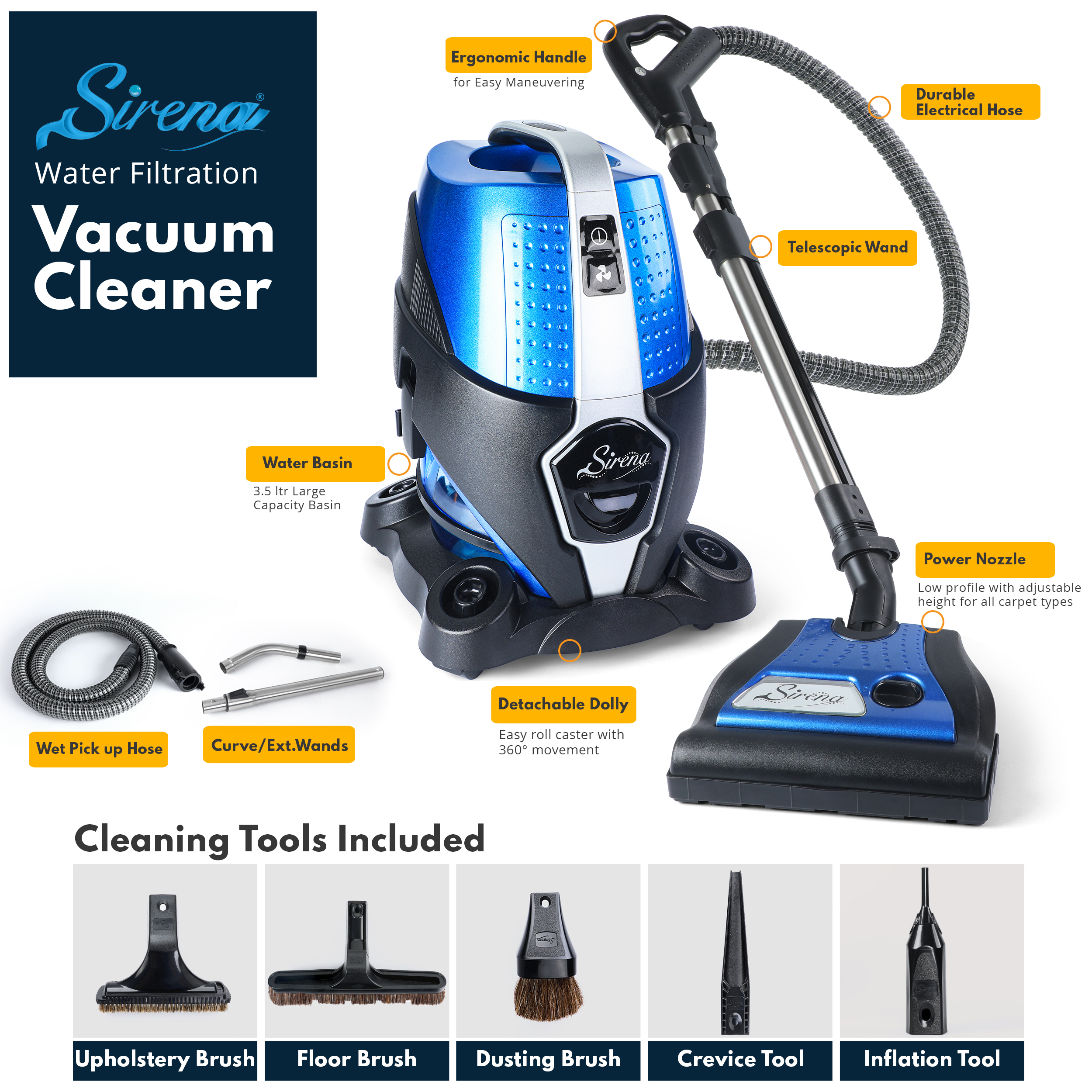
Sirena specializes in water filtration vacuum systems designed for deep cleaning and improved air quality.
Their systems focus on:
-
Multi-stage water filtration
-
Strong suction performance
-
Pet and allergy-friendly design
-
Durable construction
Explore water filtration vacuum systems from Sirena
Why Sirena Stands Out
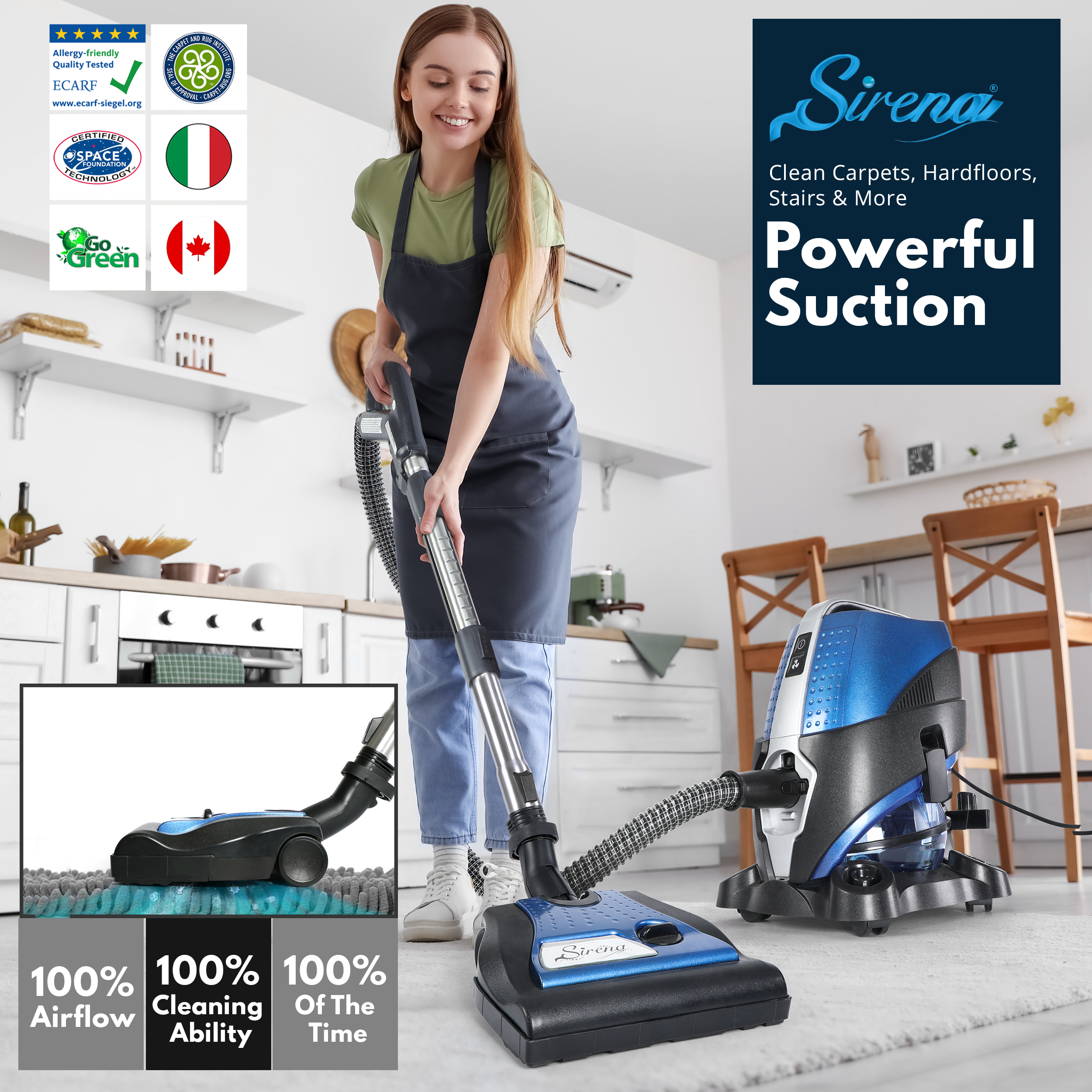
Sirena vacuums are known for:
-
Efficient water filtration
-
Minimal dust re-circulation
-
Consistent airflow
-
Easy maintenance
WHICH VACUUM IS BETTER FOR YOUR HOME?
Choose a HEPA vacuum if:
-
You prefer lightweight units
-
You vacuum lightly
-
You don’t mind filter replacements
Choose a water filtration vacuum if:
-
You have allergies or asthma
-
You own pets
-
You want cleaner air
-
You prefer consistent performance
In most homes, water filtration systems offer more complete cleaning.
COMMON BUYER MISTAKES
-
Focusing only on suction numbers
-
Ignoring filtration quality
-
Skipping maintenance requirements
-
Choosing HEPA without sealed systems
-
Underestimating allergy sensitivity
Avoiding these mistakes leads to better results.
FREQUENTLY ASKED QUESTIONS
Is water filtration better than HEPA?
For allergies and air quality, yes.
Do water filtration vacuums smell?
No, when emptied after use.
Are HEPA vacuums enough for pets?
They work, but water filtration handles dander better.
Which lasts longer?
Water filtration systems often last longer due to fewer replaceable parts.
Are water vacuums harder to use?
They require water disposal, but operation is simple.
FINAL THOUGHTS
When comparing water filtration vs HEPA vacuum, the difference comes down to how dust is handled after it’s collected.
HEPA vacuums work well but depend heavily on filter condition. Water filtration vacuums trap dust permanently, prevent re-circulation, and maintain consistent performance.
For homes focused on:
-
Cleaner air
-
Allergy relief
-
Pet hair control
-
Long-term reliability
Water filtration systems, especially those from brands like Sirena, offer a clear advantage.
Leave a Reply
Your email address will not be published. Required fields are marked
Can I write you?
Sign up to get my weekly newsletter.